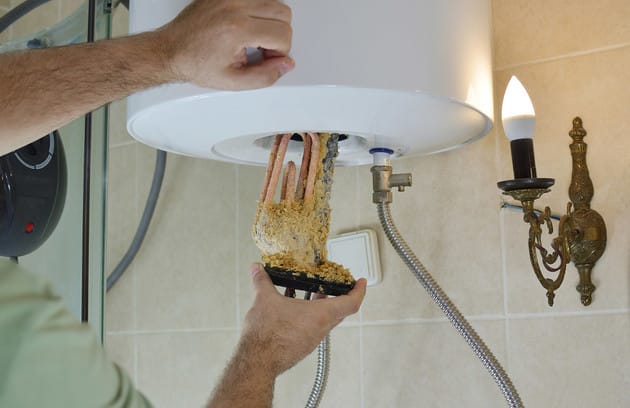
We act as a commercial plumber for many local and residential businesses
Water Heater Repair & Installation in Jacksonville, FL
Hot water is an essential part of modern living. From a warm shower in the morning to running the dishwasher after dinner, your water heater works silently in the background to provide comfort and sanitation. When this system fails, it is immediately noticeable and highly disruptive. At Jacksonville Plumbing Pros, we specialize in comprehensive water heater repair and installation services. We are dedicated to ensuring that the residents and businesses of Jacksonville have reliable access to hot water year round.


Water Heater Repair and Installation in Jacksonville, Florida – Jacksonville Plumbing Pros
Jacksonville Plumbing Pros handles water heater repair, water heater replacement, tank installation, tankless water heater installation, gas water heater service, electric water heater repair, sediment flushing, anode rod replacement, and pressure relief valve inspection for homeowners throughout Jacksonville, Florida and into Fernandina Beach, Yulee, and Callahan. When your hot water disappears in the middle of a morning shower, when you hear a rumbling from the utility closet at night, or when you notice rust-colored water only from the hot side of your faucets, it is time to call someone who understands the problem rather than guessing at it. Jacksonville’s water is among the hardest in Florida, running 15 to 28 grains per gallon depending on the area, and that mineral load hits water heaters harder than most homeowners realize. We do careful diagnostics before recommending repair or replacement, we work cleanly, and we schedule jobs when they fit your day. Let us walk through the most common water heater problems we fix and how we approach each one.
Common Water Heater Problems We Fix in Jacksonville
No Hot Water or Insufficient Hot Water
Running out of hot water before the family is done showering, or turning on the tap and getting nothing but cold water no matter how long you wait, points to one of several possible failures depending on whether you have a gas or electric unit. For electric heaters, one or both heating elements may have burned out. For gas heaters, the thermostat or gas supply may be the issue. And in some cases the problem is not the heater itself but the demand exceeding what the tank can reasonably provide for the household size.
Recognizing the Problem
- No hot water at any fixture throughout the home
- Hot water runs out after one short shower when it used to last much longer
- Water gets warm but never reaches the temperature you set
- Only certain fixtures receive hot water while others run cold
- Hot water that was fine yesterday and is completely absent today
- Electric water heater breaker that tripped and will not stay reset
- Gas unit that runs but delivers lukewarm water instead of hot
We start by checking the power or gas supply, then test the thermostat setting and element function. An element test on an electric unit is quick and confirms whether one or both elements need replacement. On gas units we check the thermocouple, the gas valve, and the pilot assembly. If the diagnosis points to sediment buildup reducing efficiency, we discuss whether flushing the tank is sufficient or whether the unit has already reached the point where replacement makes more financial sense. Fix no hot water emergency in Jacksonville is something we handle same day when the parts needed are in stock, which covers most common electric and gas repair scenarios.
In Jacksonville homes built before the 1980s, finding an undersized 30-gallon tank trying to serve a four-person household is not unusual, and the solution there is replacement with a properly sized unit rather than repair.
Leaking Water Heater
A leak around or from a water heater needs to be taken seriously. The source of the leak determines how urgent the repair is and whether the unit can be saved. A leak from a connection fitting at the top of the tank, from the pressure relief valve discharge pipe, or from a drain valve is often repairable. A water heater leaking from the bottom of the tank is a different situation, because in most cases that means the inner tank has corroded through, and no external repair will hold.
Recognizing the Problem
- Water pooling around the base of the tank consistently
- Dripping from the pressure relief valve discharge pipe running down the side
- Wet fittings or corrosion around the cold inlet or hot outlet connections at the top
- Rust streaks running down the outside of the tank
- Dampness in the surrounding cabinet or closet walls
- Drain valve at the base of the tank that is weeping or seeping
- Hot water on the floor without a clear external source above
We identify the exact source before touching anything. A dripping pressure relief valve sometimes means the valve itself has failed, but it can also indicate that the system pressure is too high and the valve is doing its job correctly. Replacing the valve without addressing an upstream pressure problem only delays the next failure. Connection leaks at the top of the tank are usually fitting or flex connector repairs. A tank leaking from the bottom means replacement, and we do not try to patch that because it does not work long-term. Water heater repair for a condo in Jacksonville follows the same diagnostic process but sometimes involves working in tighter spaces and coordinating water shutoff with building management.
Tankless Water Heater Issues
Tankless water heaters are more complex than traditional tanks. They heat water on demand using a heat exchanger, and they rely on flow rate sensors, gas pressure, inlet water temperature, and correct venting to function properly. When a tankless unit starts producing inconsistent temperatures, displaying error codes, or failing to ignite, the diagnosis requires understanding how these components work together. Tankless water heater not heating in a Jacksonville home is not always a sign the unit needs replacing, and we work through the actual cause before recommending a solution.
Recognizing the Problem
- Water temperature fluctuates from hot to cold and back during a single shower
- Error code displayed on the unit’s control panel
- Unit that ignites but shuts itself down after a few seconds
- Hot water that never gets past warm despite the thermostat set to high
- No ignition at all when hot water is demanded
- Venting blockage causing the unit to shut down as a safety measure
- Scale buildup in the heat exchanger reducing flow and efficiency
Tankless units in Jacksonville need descaling more frequently than in areas with soft water because of the mineral content here. The heat exchanger accumulates calcium and magnesium deposits that restrict water flow and reduce heating efficiency significantly over time. We flush the heat exchanger with descaling solution as part of regular service, and we check the inlet filter, the gas pressure, and the igniter function as part of any repair visit. After servicing a tankless unit, we run a full temperature check to confirm it is delivering consistent hot water before we close up the job.
Rusty or Discolored Hot Water
Rust-colored water coming only from the hot side of the faucet is one of the clearest signs that something is wrong inside the water heater tank. The most common cause in Jacksonville homes is a depleted anode rod, the sacrificial metal rod inside the tank designed to corrode in place of the tank walls. Once that rod is spent, the steel lining of the tank begins to rust, and that rust colors the water. Jacksonville’s hard water depletes anode rods faster than average, so this issue can appear sooner than the unit’s age would suggest.
Recognizing the Problem
- Orange or rust-colored water that appears only when the hot tap is running
- Slight metallic taste in hot beverages made with tap water
- Reddish staining appearing in the bathtub or sink that wipes off the bottom
- Rust-colored water that clears after running for several minutes but returns
- Gritty or sandy sediment visible in the bottom of a cup of hot water
- Hot water that smells faintly of sulfur or metal
- Visible rust or flaking around the hot water outlet connection at the top of the tank
We check the anode rod condition and the interior of the tank before recommending a path forward. A relatively new unit with a depleted rod and minimal tank corrosion can often be restored with an anode rod replacement and a thorough tank flush. An older unit with heavy internal rust has likely gone too far for that to be a durable fix, and replacement is the honest recommendation. Rusty hot water from taps in Jacksonville is also occasionally caused by corroded galvanized supply lines in the home, and we test for both the heater and the supply side to make sure we are treating the right problem.
Strange Noises from Water Heater
A water heater that rumbles, pops, or bangs is not just an annoyance. Those sounds are the acoustic result of steam bubbles trying to escape through a thick layer of sediment that has accumulated on the bottom of the tank. The sediment acts as a barrier between the burner and the water, forcing the heater to overheat the bottom layer before the heat transfers to the water above. That cycle creates the popping and rumbling you hear. Jacksonville’s water quality accelerates sediment accumulation significantly compared to cities with softer municipal water.
Recognizing the Problem
- Rumbling or knocking sound during the heating cycle
- Popping sounds that repeat every few minutes while the tank is heating
- Banging from the tank when the burner first fires
- Unit that takes noticeably longer to heat a full tank than it used to
- Higher gas or electric bills without a clear change in usage
- Tank that runs almost continuously trying to maintain temperature
- Crackling or sizzling sound coming from an electric unit
A full sediment flush addresses early-to-moderate buildup effectively. We drain the tank, flush it with fresh water until it runs clear, and inspect the elements or burner for any damage caused by the overheating. A water heater making loud noises in Jacksonville can often be returned to quiet, efficient operation through this process if caught before the sediment has damaged the tank lining. For older tanks with heavy buildup that has already affected the inner surface, replacement is the longer-term solution.
Pilot Light Problems (Gas Water Heaters)
A gas water heater pilot light that will not stay lit is one of those problems that can leave you without hot water for days if you keep trying to relight it without fixing the underlying cause. The most common reason a pilot goes out and will not stay lit is a failed thermocouple, the small safety device that confirms the pilot is burning and allows the gas valve to stay open. When the thermocouple fails, it sends no signal, and the gas valve closes as a safety measure. The result is a pilot that lights briefly and then goes out as soon as you release the button.
Recognizing the Problem
- Pilot light that lights when you hold the button but goes out when you release it
- Pilot that you cannot see burning at all through the viewing window
- Pilot that relights successfully but the main burner does not fire
- Pilot that goes out repeatedly after staying lit for a few hours
- Gas water heater that shows no error indicator but produces no hot water
- Soot or discoloration around the burner area
- Smell of unburned gas near the water heater shortly after a pilot outage
We test the thermocouple, the gas valve function, and the pilot orifice to determine the exact cause before ordering or replacing parts. A thermocouple replacement is straightforward and restores normal operation in most cases. If the gas valve itself has failed, replacement parts are available for most major brands, though on an older unit we discuss whether the investment in a gas valve repair makes sense relative to the age of the unit. If you smell gas or suspect a gas leak, go outside immediately and call 911 – this is a serious emergency that needs urgent attention from the gas company.
Water Heater Not Turning On
An electric water heater that will not turn on at all is most commonly a tripped breaker, a failed thermal cutoff, or a burned-out heating element. Before calling for service, check the breaker panel to confirm the circuit is live. If the breaker is tripping repeatedly, that is itself a sign of a problem that needs diagnosis, usually a shorted element or a wiring issue. For a gas unit that will not turn on and shows no activity at all even after the pilot is confirmed lit, the main gas valve or the electronic ignition control may be the source of the failure.
Recognizing the Problem
- Electric unit that shows no activity and the reset button on the unit will not hold
- Breaker for the water heater that keeps tripping within a few hours
- Pilot is confirmed lit on a gas unit but the main burner never fires
- Control panel on a modern unit that is dark or unresponsive
- Unit that was working normally and then simply stopped with no obvious cause
- High-limit safety switch that keeps tripping, indicating overheating
- Electronic ignition that clicks repeatedly but produces no flame
We test for voltage at the element terminals on electric units, check the thermal cutoff device, and use a multimeter to verify element resistance. For gas units we check igniter function and gas valve response. An electric water heater not working in Jacksonville is frequently a dual-element issue, where the lower element burns out first and the upper element handles the load alone until it fails too, leaving the homeowner with no hot water at all. We carry common elements for most standard tank sizes and can complete many of these repairs in a single visit.
Sediment Buildup and Poor Performance
Sediment buildup is the cumulative result of Jacksonville’s hard water depositing calcium and magnesium minerals on the bottom of the tank over time. In an area where water hardness can exceed 20 grains per gallon, that layer can build up significantly within just a few years of installation. Once the sediment layer is thick, the water heater has to work harder to heat the same amount of water, energy efficiency drops, recovery time slows, and the bottom of the tank takes the kind of thermal stress that shortens its lifespan.
Recognizing the Problem
- Hot water that used to recover in 40 minutes now takes well over an hour
- Audible rumbling or popping during the heating cycle as described above
- Higher energy bills without a corresponding increase in usage
- Visible white or yellowish deposits in the aerators on hot water faucets
- Gritty or sandy particles in hot water when filling a bathtub
- Unit that cycles more frequently than it used to maintaining temperature
- Cold water mixing with the hot supply during high demand periods
Sediment flushing is most effective as a preventive measure or when caught early. We connect a hose to the drain valve at the base of the tank, flush it until the water runs clear, and inspect the condition of the dip tube and anode rod while we have the system open. For Jacksonville homes where annual flushing has never been done on a 10-year-old tank, we honestly assess whether the tank’s condition justifies the flush or whether replacement is the more practical path. Installing a whole-house water softener or a sediment filter upstream of the water heater significantly reduces future buildup and extends heater life.
Water Heater Repair vs Replacement in Jacksonville
Deciding whether to repair a water heater or replace it is one of the most common conversations we have with Jacksonville homeowners. The answer depends on several factors that we assess honestly rather than defaulting to whichever recommendation results in more work for us.
Age is the starting point. A standard tank water heater has a typical service life of 8 to 12 years. Jacksonville’s hard water tends to push units toward the lower end of that range. If a unit is under eight years old and the problem is a failed element, a thermocouple, or a connection fitting, repair almost always makes sense. If the unit is ten or more years old and the repair cost is substantial, replacement is usually the more practical investment, because the unit is likely to develop another problem within a year or two regardless of what we fix today.
The nature of the problem matters as well. A tank that is actively leaking from the tank body itself is not repairable in any durable sense, regardless of age. Patching a corroded tank is a temporary measure that will fail again. Replacement is the only long-term solution in that case.
Energy efficiency is a factor worth considering for older units even when they are still technically functioning. A 12-year-old 40-gallon gas water heater running on sediment-coated heating surfaces is operating well below its original efficiency rating. A new unit of equivalent size will heat the same water for less money every month, and that savings compounds over the new unit’s lifespan.
When to replace versus repair a water heater in Jacksonville also depends on household demand. A family that has consistently run out of hot water with their current tank size is better served by a properly sized replacement than by repairing a unit that was never adequate for the load. This is a good time to discuss whether a larger tank, a tankless unit, or a hybrid heat pump water heater fits the household’s needs better than what was already installed.
We give honest assessments. If repair makes sense, we say so. If replacement is the smarter path, we explain why clearly and give you the information you need to make that decision with confidence.
Tankless Water Heater Installation and Repair
Tankless water heaters are a genuine upgrade for many Jacksonville homeowners, and they are a growing part of our service work. The core benefit is simple: you get hot water on demand without a storage tank, which means no standby heat loss and no running out of hot water mid-shower. For households with high hot water demand or limited space for a traditional tank, the switch to tankless often makes immediate practical sense.
Tankless water heater installation in Jacksonville requires accurate sizing. A unit that is too small for the household’s simultaneous hot water demand will produce inadequate temperatures during peak use. We calculate the maximum flow demand for the home based on the number of bathrooms, the presence of a dishwasher, and typical usage patterns, then match the unit’s BTU or kilowatt rating to that demand. Getting sizing right at installation is what separates a tankless system that performs reliably from one that consistently disappoints.
Gas tankless units require proper venting to the exterior, either through a new vent run or, in some Jacksonville homes, through an existing vent connection that is compatible with the unit’s requirements. Venting that is undersized or incorrectly routed causes the unit to shut down as a safety measure, which is one of the most common causes of performance complaints in newly installed tankless heaters. We handle the venting as part of the installation, not as an afterthought.
Repair on an existing tankless unit involves reading the error code, testing the flow sensor and inlet filters, checking the heat exchanger for scale buildup, and verifying gas pressure and ignition function. Jacksonville’s water hardness makes descaling of the heat exchanger a necessary maintenance task every year or two, not an optional service. Homeowners who keep up with descaling get significantly longer service life from their tankless units than those who skip it.
Water Heater Installation Services in Jacksonville
When a new water heater installation is the right call, we handle the full job from start to finish. For a traditional tank replacement, that means disconnecting and removing the old unit safely, inspecting the existing connections and shutoff valves, making any updates needed to bring the installation up to current requirements, installing the new tank, connecting the cold inlet and hot outlet lines with proper flexible connectors, setting the thermostat to a safe operating temperature, and testing the system fully before we leave.
For tankless water heater installation in a Jacksonville home that previously had a tank unit, the process also includes determining the best location for the new unit, running the appropriate vent line to the exterior, verifying gas line capacity for gas models or confirming the electrical panel has the required amperage for electric models, and programming the new unit’s temperature settings correctly. We explain how to operate the unit’s controls and what maintenance schedule to follow for Jacksonville’s water conditions before we finish the job.
We install both gas and electric models from major manufacturers, and we carry common residential sizes in standard configurations. For homes requiring a less common configuration, we can source the appropriate unit and schedule the installation once it arrives.
Why Jacksonville Homeowners Choose Jacksonville Plumbing Pros for Water Heater Service
We Know Jacksonville Homes and Water Conditions
Hard water is the defining factor in water heater service in Jacksonville. With some of the highest water hardness readings in Florida, this area accelerates sediment buildup, depletes anode rods faster, and pushes tank corrosion on a shorter timeline than most of the country. We factor that in from the first visit. When a Jacksonville homeowner asks how long their new water heater should last, we give them a realistic answer that accounts for local water conditions and advise on what maintenance practices extend heater life in this specific environment. That local knowledge changes the quality of the advice and the outcome of the service.
We Diagnose Before We Recommend
A water heater that stopped producing hot water could have a failed element, a tripped safety switch, a depleted thermocouple, excessive sediment, or a failing gas valve. These are not the same problem and they do not have the same repair path or cost. We test the system methodically and identify the actual cause before recommending anything. A homeowner in the Mandarin area once called us after being told by another company that the entire unit needed replacement. We found a failed upper heating element and had it replaced in under an hour. Diagnosis first, recommendation second, every time.
We Respect Your Home and Your Schedule
Water heater work is usually done in a utility closet, garage, or attic space, but we still lay down floor protection and work without making a mess of the surrounding area. When we drain and remove an old tank, we do it cleanly. When we install a new one, we leave the space tidy. We also communicate clearly about timing. If parts need to be ordered, we tell you upfront. If a same-day repair is possible, we confirm that before we arrive so you can plan accordingly. Hot water is a daily need, not a convenience, and we treat the scheduling of water heater work accordingly.
We Are Experienced with Both Tank and Tankless Systems
Tankless water heaters require a different set of diagnostic skills than traditional tank units. The flow sensor, the heat exchanger, the ignition system, and the venting all interact in ways that require genuine familiarity with how these units work. We have installed and serviced tankless units from multiple manufacturers across Jacksonville homes and understand the common failure modes for this climate and water type. When a Jacksonville homeowner calls with a tankless unit showing an error code, we know how to interpret it and what to check rather than approaching it as a generic electrical problem.
We Respond Fast When You Have No Hot Water
No hot water is not a minor inconvenience when it affects the whole household. We offer same-day water heater service in Jacksonville when scheduling and parts availability allow, and we prioritize these calls because we understand the daily impact. For active leaks or flooding situations, we treat those as emergency calls and respond immediately. A family in Fernandina Beach once called us on a Friday afternoon with a tank that was actively leaking. We arrived that evening, confirmed the tank had failed internally, and installed a replacement unit the same night so they had hot water before the weekend was over.
Our Water Heater Service Process in Jacksonville
1. You Reach Out
Contact us today with a description of the issue. Whether it is no hot water, a noisy tank, a visible leak, or a question about switching to tankless, we start with a few questions to understand the situation and make sure we arrive with the right tools and likely parts.
2. We Schedule and Arrive
We confirm an appointment window that works for you. Same-day scheduling is available for urgent situations. We will let you know if the technician is running ahead or behind schedule rather than leaving you guessing.
3. Thorough Diagnosis and Clear Explanation
We assess the unit systematically, test the components that correspond to the reported symptoms, and tell you exactly what we found in plain language before we recommend any work. We also answer any questions you have about the unit and what caused the problem.
4. Repair or Installation
We complete the repair or installation as discussed and confirmed. If we find anything during the job that changes the scope, we stop and explain before proceeding. Nothing gets added to the job without your understanding and agreement.
5. Final Testing and Cleanup
We run the unit through a full cycle, confirm hot water is reaching all fixtures at the correct temperature, check all connections for leaks, and clean up the work area. We also advise on any maintenance steps specific to your unit and Jacksonville’s water conditions before we leave.
Water Heater Service Area in and Around Jacksonville, Florida
We provide water heater repair, replacement, and installation throughout Jacksonville, Florida and into the surrounding communities of Nassau and Clay counties. Our service area includes all major Jacksonville neighborhoods as well as the First Coast communities of Fernandina Beach, Yulee, and Callahan.
- Riverside and Avondale
- San Marco
- Arlington and Fort Caroline
- Mandarin and Beauclerc
- Southside and Baymeadows
- Ortega and Murray Hill
- Northside and Oceanway
- Springfield and Downtown
- Jacksonville Beach, Neptune Beach, Atlantic Beach
- Fernandina Beach
- Yulee
- Callahan
Being a truly local Jacksonville plumbing company means we understand the water conditions, the housing stock, and the specific challenges of this area. A water heater service call in a 1960s Riverside bungalow with original supply connections is a different job than a tankless installation in a new Nocatee home, and we approach each accordingly without treating them like the same generic task.
Professional Water Heater Repair vs DIY Attempts
Homeowners who are comfortable with basic home repairs often feel tempted to tackle water heater problems themselves. Replacing a simple element or relighting a pilot light is within reach for a handy homeowner. But several aspects of water heater work introduce real risks that are worth understanding before deciding to proceed without help.
Electric water heaters operate at 240 volts and draw significant amperage. Testing or replacing elements requires turning off the breaker, confirming the circuit is truly dead at the heater before touching any wiring, and working confidently with 240-volt connections. An error in this step can result in serious injury. Even resetting a thermal cutoff device on an electric heater that tripped repeatedly without determining why it tripped is a shortcut that can result in overheating and damage or fire.
Gas water heaters involve the same hazards as any gas appliance work. A connection that is not fully sealed on a gas line is a leak, and a small gas leak in an enclosed utility closet can accumulate to dangerous levels. If you smell gas or suspect a gas leak, go outside immediately and call 911 – this is a serious emergency that needs urgent attention from the gas company.
Draining and flushing a tank sounds simple until the drain valve sticks, which is common on tanks that have never been drained and have sediment packed around the valve seat. Forcing a stuck drain valve can break it, leaving the tank unable to hold water until the valve is replaced, which then requires a full draindown to accomplish.
Hard water conditions in Jacksonville also mean that sediment inside an older tank can be extensive enough that flushing dislodges material that then clogs supply lines or aerators throughout the house. Knowing what to do when that happens requires experience, not just a YouTube tutorial.
Beyond safety, there is the diagnostic challenge. Misidentifying a failing thermocouple as a gas valve problem means buying the wrong part. Installing a replacement element of the wrong wattage can damage the unit. The cost of a professional assessment and repair is almost always lower than the combined cost of incorrect parts, the time spent on a job that does not resolve the problem, and the professional repair that still has to happen afterward.
Plumbing Pro Services
Complete Plumbing Care for Your Entire Home
Whether it’s the kitchen, bathroom, or sewer line, we have the tools and training to handle any challenge your plumbing system throws at us.
We Deliver Expert Results
Don’t gamble with your plumbing. We combine years of experience with modern technology to deliver lasting repairs and installations. Our team respects your time and your property.
- Fixture Installation
- Leak Detection
- Modern Diagnostics
- Drain Cleaning
Frequently Asked Questions About Water Heater Repair and Installation in Jacksonville
Water heater repair in Jacksonville?
Yes, Jacksonville Plumbing Pros handles water heater repair throughout Jacksonville and surrounding areas including Fernandina Beach, Yulee, and Callahan. We repair gas and electric tank water heaters as well as tankless units. Same-day repair is available for many common issues when parts are in stock. We diagnose accurately before recommending any work so you understand what is actually wrong and what the right fix is.
How much does water heater replacement cost in Jacksonville?
The total investment in water heater replacement in Jacksonville depends on the type of unit, the size, and whether any modifications to existing connections or venting are needed. Traditional tank replacements are generally more straightforward than tankless installations, which may require gas line adjustments or new venting runs. We can give you a clear picture of what is involved for your specific situation after we assess the existing setup. Reach out to us for assistance and we will walk through the options with you.
Do you install tankless water heaters?
Yes. Tankless water heater installation is a regular part of our work in Jacksonville. We handle sizing, gas line capacity checks, venting, and full installation for both gas and electric tankless models. We also service and repair existing tankless units including descaling, flow sensor testing, and ignition system diagnosis. If you are considering switching from a tank to tankless, we can explain what the conversion involves for your specific home and whether the change makes sense given your household’s hot water demand.
What should I do if I have no hot water?
Check the breaker for the water heater if it is electric, and confirm it has not tripped. For gas units, check whether the pilot light is lit through the small viewing window at the base of the unit. If the breaker keeps tripping or the pilot will not stay lit, do not keep resetting or relighting without diagnosing the cause. Contact us, describe what you are seeing, and we will advise on whether this is a same-day repair situation or a full replacement scenario, and we will schedule accordingly based on urgency.
How long does water heater installation take?
A standard tank water heater replacement in Jacksonville typically takes two to four hours including draining and removing the old unit, making any needed connection updates, and installing and testing the new one. Tankless water heater installation takes longer, generally four to six hours or more depending on whether new venting is required and how much gas line work is involved. We give you a realistic time estimate before we begin so you can plan your day accordingly.
Do you work on older homes in Jacksonville?
Yes. Older homes in neighborhoods like Avondale, Springfield, Arlington, and Murray Hill present specific challenges when replacing water heaters, including original supply line materials that need updating, older shutoff valves that may not hold, and sometimes access challenges in original utility closets. We handle these complications as part of the job rather than treating them as surprises. We have worked on older Jacksonville homes regularly and know what to expect and how to handle it properly.
Signs my water heater needs replacement?
The clearest signs that replacement makes more sense than repair include: the unit is ten or more years old, there is active rust-colored hot water indicating internal corrosion, the tank is leaking from the body rather than a connection, the repair cost is more than half what a new unit would cost, or the same component has failed more than once in a short period. Jacksonville’s hard water can shorten tank life, so we assess age and internal condition together before making a recommendation either way.
Can you repair a water heater that is leaking from the bottom?
In most cases, a water heater leaking from the bottom of the tank itself means the inner tank has corroded through and the unit needs replacement. There are no durable external repairs for a tank that has breached from internal corrosion. If the leak is from the drain valve at the very bottom, that valve can sometimes be replaced, but we assess whether the rest of the unit justifies that repair based on its age and overall condition before recommending it.
Why does my hot water smell like sulfur or rotten eggs?
A sulfur smell in hot water is almost always caused by a reaction between the anode rod and sulfate-reducing bacteria present in some water supplies. The sacrificial anode rod, typically made of magnesium, can react with hydrogen sulfide in the water to produce that rotten egg odor. Replacing the anode rod with an aluminum or zinc alloy rod and thoroughly flushing the tank usually resolves the smell. This issue is more common in Jacksonville homes that have been on well water at some point or in tanks that have not been serviced in several years.
What is the best water heater for a Jacksonville home?
There is no single best answer for every home. For smaller households or homes with limited space for a tank, tankless units offer continuous hot water and no standby heat loss. For larger families with simultaneous high demand, a properly sized tank or a pair of smaller tankless units may work better. In Jacksonville specifically, any tank unit benefits from an upgraded magnesium or zinc anode rod to handle the hard water, and a sediment filter upstream of the heater extends the unit’s life noticeably. We help homeowners think through these options based on their actual household situation.
How do I know if my tankless water heater needs service?
Temperature inconsistency, error codes on the display, longer wait times for hot water to arrive, or a unit that ignites and then shuts off within seconds are all signs a tankless water heater in Jacksonville needs attention. The most common cause in this area is heat exchanger scale buildup from hard water. We recommend descaling annually or every 18 months for Jacksonville homes to maintain performance and prevent premature failure of the heat exchanger.
Jacksonville’s Water Heater Experts, Ready When You Need Us
Whether your water heater needs a same-day repair, a full replacement, or you are ready to make the switch to tankless, Jacksonville Plumbing Pros is prepared to help homeowners throughout Jacksonville, Fernandina Beach, Yulee, Callahan, and the broader First Coast area. We diagnose carefully, explain honestly, and do the work right the first time. Hot water is not a luxury, and we treat getting it back or keeping it running as a real priority.
Contact us today and let us handle your water heater repair or installation the right way.
Zip codes we serve: 32202, 32204, 32205, 32206, 32207, 32208, 32209, 32210, 32211, 32212, 32214, 32216, 32217, 32218, 32219, 32220, 32221, 32222, 32223, 32224, 32225, 32226, 32227, 32228, 32233, 32234, 32244, 32246, 32250, 32256, 32257, 32258, 32259, 32266, 32034, 32035, 32097, 32011